

Home Charging Changes the 2026 Toyota C-HR Equation in Hagerstown, MD
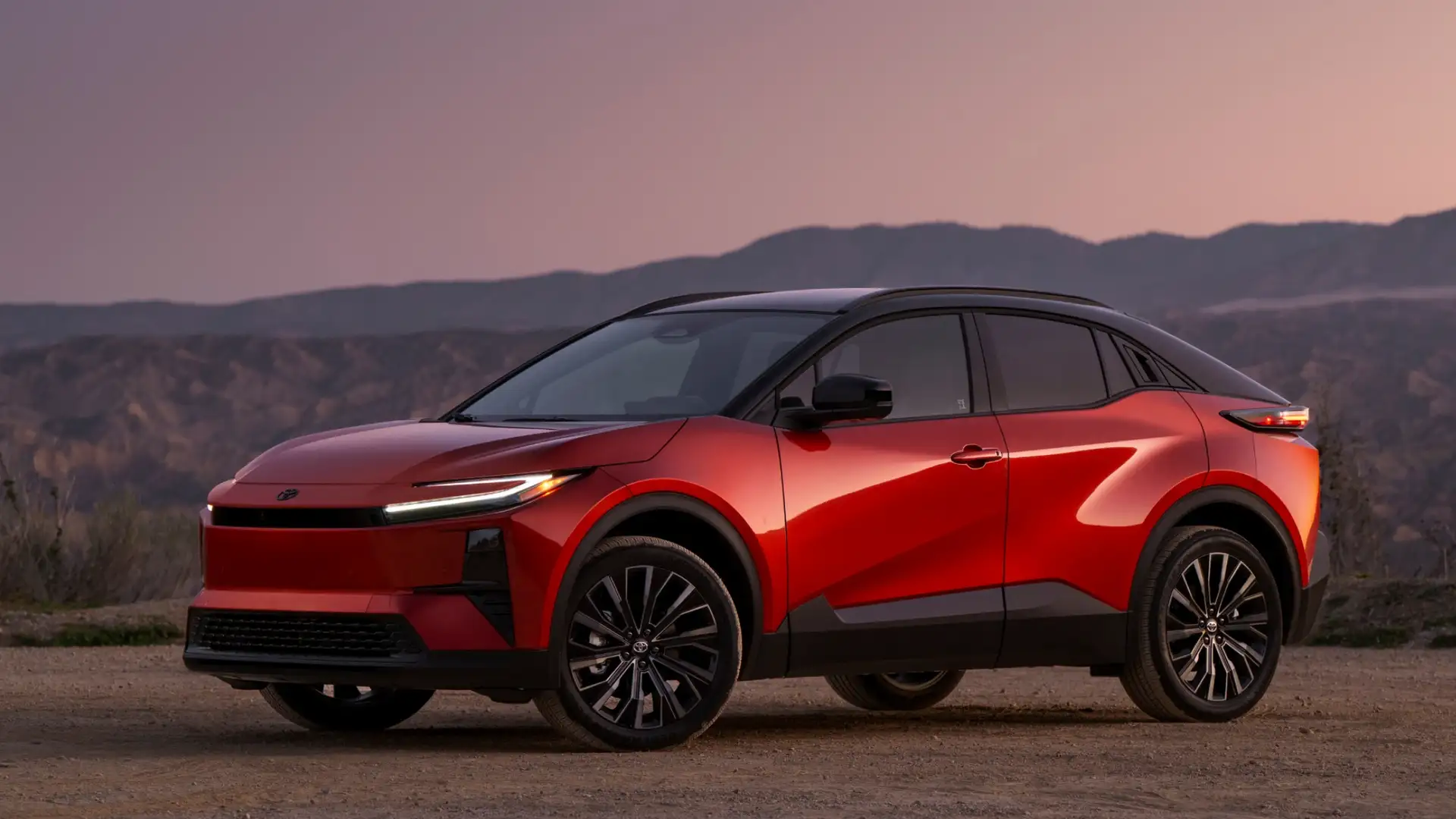
Home charging can reshape the ownership experience for drivers considering the 2026 Toyota C-HR in Hagerstown, MD. Instead of arranging every week around public charging stops, owners can connect the vehicle at home and begin many mornings with useful range already available. That routine can support local commutes, school drop-offs, shopping trips, and evening drives across Washington County. It also gives the 2026 Toyota C-HR a new role compared with the gasoline-powered model some shoppers may remember. The 2026 Toyota C-HR is an all-electric small SUV with standard all-wheel drive, a 74.7-kWh lithium-ion battery, and an EPA-estimated driving range of up to 287 miles in the SE grade with 18-inch wheels. The XSE combines additional features and 20-inch wheels with an EPA-estimated range of 273 miles. Understanding charging time, range, cabin practicality, performance, and daily care can help buyers decide how comfortably this electric SUV might fit their routine.
Creating a Convenient Home Charging Routine
Home charging gives electric vehicle ownership a predictable rhythm that can quickly feel familiar. Drivers can connect the 2026 Toyota C-HR after arriving home, leave it parked overnight, and disconnect before the next trip. The most suitable arrangement depends on the household electrical system, parking location, and typical weekly mileage. Owners should also consider how long the vehicle usually remains parked between drives. With those pieces in place, charging can become a straightforward part of the evening routine.
How long does the 2026 Toyota C-HR take to charge at home?
Toyota estimates that Level 2 AC charging takes approximately 7.5 hours, though actual time can vary with weather, battery condition, and other charging factors. That estimate makes an overnight session practical for many Hagerstown households. A driver who connects the vehicle after dinner could complete several hours of charging before the next morning. The 2026 Toyota C-HR includes an 11-kW onboard AC charger, which manages the electricity delivered to the battery during home charging. Because the battery will not always be nearly empty at the end of the day, many routine sessions may take less time than a full overnight window. This approach lets owners restore the energy used during daily travel instead of waiting until the battery reaches a low level.
Can the 2026 Toyota C-HR use a regular household outlet?
The 2026 Toyota C-HR supports Level 1 charging through a 120-volt electrical source. This option can add energy while the vehicle remains parked, but it works more slowly than a 240-volt Level 2 connection. Level 1 charging may suit drivers with shorter daily travel or long periods between trips. It can also provide a useful backup when a faster home connection is unavailable. Buyers should compare their typical mileage with the amount of time the vehicle normally spends parked before choosing Level 1 charging as their primary method. An appropriate electrical connection and compatible charging equipment remain important parts of a dependable setup.
Is a Level 2 home charger better for everyday driving?
A Level 2 charger will usually provide the most flexible home routine for drivers who use their 2026 Toyota C-HR frequently. Its faster charging capability makes it easier to restore a substantial amount of range during an evening or overnight session. That convenience can matter for households with longer commutes, frequent errands, or several activities spread across the week. It also reduces the time needed to recover from a day that uses more battery power than usual. Buyers can have their intended charging location assessed to determine what a 240-volt installation may require. Once the equipment is ready, owners can connect the vehicle at night and let it replenish the battery while the household rests.
Matching Electric Range to Hagerstown Travel
Once home charging feels manageable, range becomes the next part of the ownership equation. Hagerstown drivers may divide their time among neighborhood streets, regional highways, workplaces, shopping areas, and weekend destinations. The 2026 Toyota C-HR offers useful estimated range for varied travel patterns, but driving conditions still influence the distance available. Temperature, speed, accessory use, battery condition, and driving habits can all affect actual results. A consistent charging routine gives owners additional flexibility as those conditions change.
How far can the 2026 Toyota C-HR travel on a charge?
The SE AWD with 18-inch wheels carries an EPA-estimated total driving range of 287 miles. The XSE AWD with 20-inch wheels has an EPA-estimated range of 273 miles. These figures give shoppers a helpful comparison point, though actual mileage will vary with driving and charging conditions. For many owners, the available range could cover repeated local errands and commutes before another substantial charging session becomes necessary. Drivers who connect at home regularly may rarely begin a normal weekday with a low battery. Instead of focusing only on the maximum estimate, buyers can review their typical daily mileage and calculate how much battery capacity they would ordinarily use.
What can affect the 2026 Toyota C-HR electric driving range?
Outside temperature, vehicle speed, accessory use, battery condition, and driving style can change the distance available from a charge. Cold weather may require additional energy for cabin heating, while sustained highway travel can use battery power more quickly than moderate local driving. Passenger loads, elevation changes, and frequent acceleration can create further variation. These factors make the displayed range a useful planning tool rather than a fixed promise of distance. Owners can leave a comfortable battery reserve before longer drives and follow the charging information shown inside the vehicle. Regular home charging can make seasonal changes easier to manage because the 2026 Toyota C-HR has time to replenish its battery while parked.
How does DC fast charging support longer trips?
The 2026 Toyota C-HR supports DC fast charging when a longer journey requires an additional charging stop. Its system accepts a maximum DC charging input of 150 kW under suitable conditions. Toyota estimates approximately 30 minutes to charge from 10 percent to 80 percent under ideal conditions. Actual charging time can change with temperature, charger performance, battery state, and other factors. The standard North American Charging Standard port allows the vehicle to connect with compatible charging equipment. A planned stop can provide time for food, rest, or a short walk before the drive continues.
Balancing Performance, Comfort, and Daily Care
Charging and range establish the foundation, but daily satisfaction also depends on how the 2026 Toyota C-HR drives and supports household needs. Its electric powertrain provides a strong response without asking the driver to manage complicated controls. Standard all-wheel drive adds confidence when road conditions change. Inside, familiar comfort features and flexible cargo space help the electric platform serve ordinary routines. Straightforward vehicle information also helps owners follow charging status and routine maintenance needs.
Does the electric 2026 Toyota C-HR feel powerful?
The 2026 Toyota C-HR produces a system-combined 338 horsepower through electric motors at the front and rear. Toyota estimates a 4.9-second acceleration time from zero to 60 mph for both the SE and XSE. That response can make highway merging and passing feel smooth and direct. Electric motors deliver power differently from a traditional gasoline engine, allowing acceleration to build without conventional gear changes. Regenerative braking paddle switches on the steering wheel give drivers another way to interact with the vehicle’s energy management. Strong performance works alongside standard all-wheel drive to create a confident character for everyday travel around Hagerstown.
Is the 2026 Toyota C-HR practical for passengers and cargo?
The 2026 Toyota C-HR seats five and provides 42.12 inches of front legroom. Rear passengers receive 32.19 inches of legroom, making the second row useful for children, friends, or shorter adult trips. Cargo capacity measures 25.3 cubic feet behind the second row and 59.5 cubic feet behind the first row. The 60/40 split rear seats recline and fold flat, giving owners flexibility for groceries, luggage, outdoor equipment, and larger purchases. A height-adjustable power liftgate with jam protection also makes the cargo area easier to access. With an overall length of 177.9 inches and a 36-foot turning circle, the 2026 Toyota C-HR balances useful interior space with dimensions suited to neighborhood streets and busy parking areas.
What features make daily care easier for 2026 Toyota C-HR owners?
The seven-inch Multi-Information Display provides charging information, vehicle settings, warning messages, and other useful details within the driver’s view. A Tire Pressure Monitor System displays direct pressure readings and identifies the location of a tire that reaches a critically low level. Service Connect can provide vehicle health reports and personalized maintenance updates while the applicable connected service remains active. These tools help owners follow vehicle status without adding unnecessary complexity to the driving experience. The included tire repair kit also replaces a conventional spare wheel, so owners should understand its location and intended use. Becoming familiar with these features early can make routine care feel more organized throughout long-term ownership.
Selecting the Right 2026 Toyota C-HR for the Household
After considering charging, range, performance, and practicality, buyers can focus on grade selection and overall suitability. The SE and XSE share the same electric foundation, standard all-wheel drive, and core charging capabilities. Their differences in wheels, seating materials, driver assistance equipment, and available comfort features shape two distinct ownership experiences. Home charging remains equally relevant with either grade because both use the same 74.7-kWh battery capacity. The final choice should reflect travel habits, cabin preferences, and the features that matter during an ordinary week.
What is the difference between the 2026 Toyota C-HR SE and XSE?
The SE rides on 18-inch alloy wheels with covers and carries the higher EPA-estimated range of 287 miles. It includes heated front seats, an eight-way power-adjustable driver’s seat with lumbar support, and Fabric and SofTex®-trimmed seating. The XSE uses 20-inch multi-spoke wheels and carries an EPA-estimated range of 273 miles. Its cabin adds Synthetic Suede and SofTex®-trimmed seats along with an eight-way power-adjustable front passenger seat. The XSE also includes a Panoramic View Monitor and Lane Change Assist, while heated rear seats and a panoramic fixed glass roof are available. Buyers can consider the SE for its higher estimated range or choose the XSE for its upgraded materials and additional convenience features.
Who should consider the 2026 Toyota C-HR in Hagerstown?
The 2026 Toyota C-HR may suit drivers who want an electric small SUV with responsive performance, standard all-wheel drive, and a manageable home charging routine. It can work particularly well for owners who have consistent access to overnight parking near an appropriate electrical source. Commuters may appreciate beginning the day with replenished range, while active households can use the folding rear seats and flexible cargo area for changing plans. Drivers taking longer regional trips can combine home charging with compatible DC fast charging along the route. The choice between SE and XSE also lets shoppers prioritize the higher range estimate or select additional comfort and assistance features. Reviewing daily mileage, home charging access, passenger needs, and common destinations can reveal how naturally the 2026 Toyota C-HR fits a household.
Drivers ready to experience the 2026 Toyota C-HR can visit Younger Toyota in Hagerstown, MD. Our team can explain the SE and XSE grades, demonstrate the charging connection, and review the vehicle’s electric driving information. Visitors can also compare seating, cargo flexibility, technology, and convenience features in person. Schedule a visit for a test ride and see how the 2026 Toyota C-HR responds on familiar Hagerstown roads. Our dealership is ready to help shoppers consider how home charging could fit their daily routine.
Check Out Other Younger Toyota Models
0 comment(s) so far on Home Charging Changes the 2026 Toyota C-HR Equation in Hagerstown, MD