

Starting EV Ownership With the 2026 Toyota bZ in Hagerstown, MD
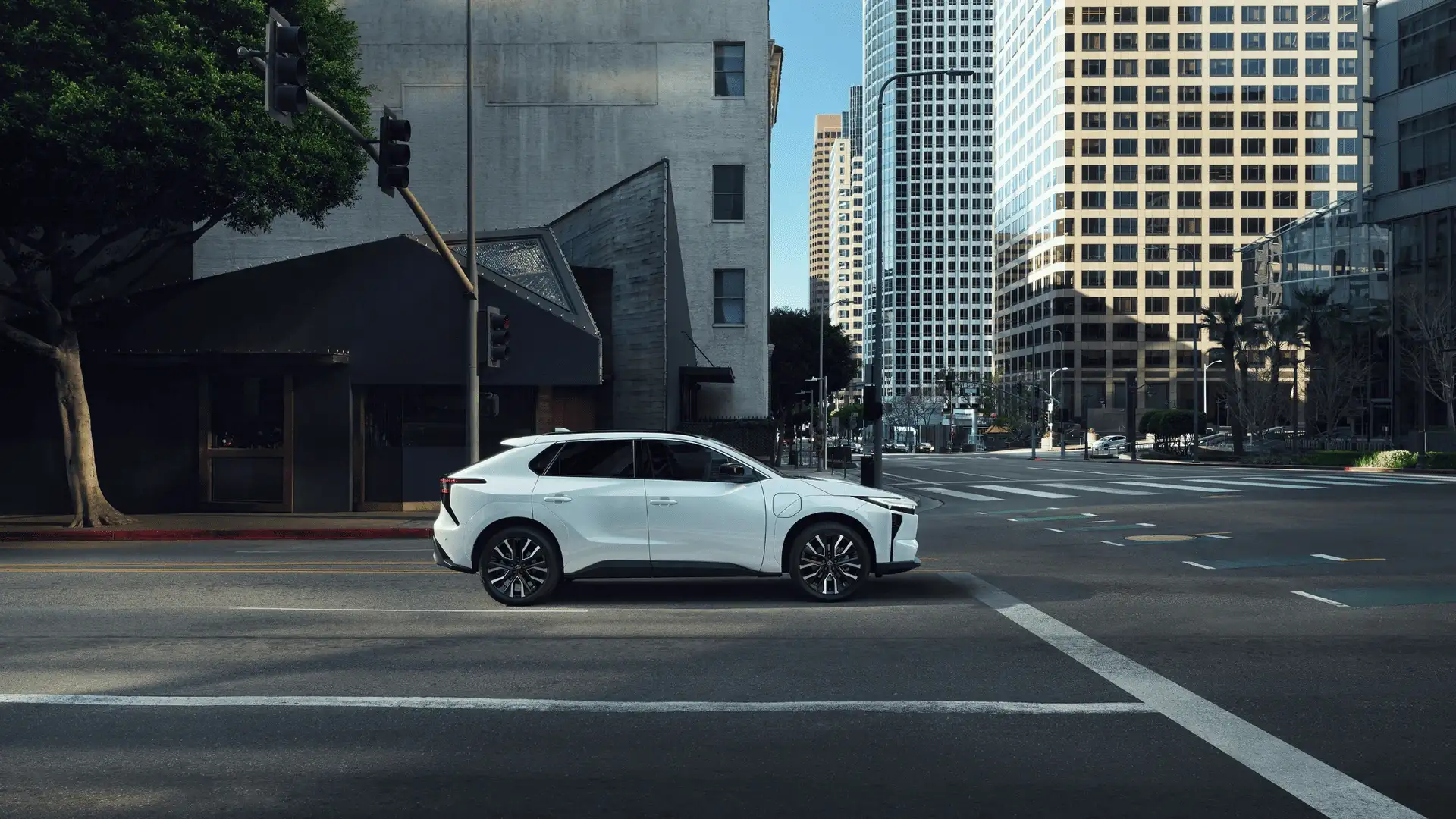
Moving to an electric vehicle can feel like a significant lifestyle change, yet the transition often becomes simple once charging and range planning settle into a familiar routine. The 2026 Toyota bZ gives Hagerstown drivers an approachable entry into EV ownership through the versatility, passenger comfort, and raised seating position of a compact SUV. Daily travel can still include commuting on Interstate 70, handling school drop-offs, running errands around Washington County, and taking weekend trips across Western Maryland. The main adjustment involves learning when and where to charge, understanding how weather and driving habits influence range, and selecting a drivetrain that supports typical travel needs. Those habits usually become easier after drivers experience how naturally an electric vehicle can fit into time already spent at home, work, or common destinations.
Shoppers researching the 2026 Toyota bZ in Hagerstown, MD, often have practical questions before deciding that an EV is right for them. Charging access, estimated driving range, winter performance, cabin space, and long-term maintenance can all shape the ownership experience. Some buyers also want to understand the differences between front-wheel drive and all-wheel drive without becoming overwhelmed by technical details. The following FAQ sections follow a logical ownership journey, beginning with everyday charging and continuing through comfort, capability, maintenance, and purchase considerations. Each answer focuses on how the 2026 Toyota bZ may support real routines rather than treating electric driving as an abstract technology.
Beginning daily life with an electric vehicle
The first stage of EV ownership involves replacing the familiar fuel stop with a charging routine that works around everyday responsibilities. Drivers do not usually need to wait until the battery is nearly empty before connecting the vehicle. Instead, they can add energy while the Toyota bZ is parked at home, at work, or near a destination offering public charging. This approach can make charging feel less like a separate errand and more like a background part of the day. Understanding the available charging methods and realistic range expectations helps new EV owners begin with greater confidence.
How does charging the 2026 Toyota bZ fit into a normal routine?
Charging the 2026 Toyota bZ can become as routine as plugging in a phone before going to bed. A driver with home charging access may connect the vehicle after returning from work and begin the next morning with enough energy for the upcoming schedule. This pattern reduces the need to make a separate stop during an ordinary commute or day of errands. Drivers without home charging may rely on workplace stations, community chargers, or public locations near stores and restaurants they already visit. The most convenient routine depends on daily mileage, parking access, and the amount of time the vehicle normally remains stationary.
The 2026 Toyota bZ supports Level 1, Level 2, and DC fast charging, giving owners several ways to add energy. Level 1 charging uses a standard household outlet and may suit drivers with shorter commutes or limited daily mileage. Level 2 charging adds energy more quickly and is often the most practical option for regular overnight charging at home. DC fast charging is designed for quicker stops during longer travel days or periods when the driver needs to restore range away from home. Learning when to use each method helps owners avoid treating every charging session like a complete battery refill.
How far can the 2026 Toyota bZ travel on a full charge?
Estimated range varies by grade and drivetrain, allowing shoppers to choose a configuration that reflects their normal driving patterns. The XLE front-wheel drive model has a manufacturer-estimated range of 235 miles, while the XLE front-wheel drive Plus reaches an estimated 314 miles. The XLE all-wheel-drive model provides an estimated 288 miles, and the Limited front-wheel-drive version offers an estimated 299 miles. The Limited all-wheel drive configuration has an estimated range of 278 miles. These differences allow buyers to weigh driving distance against traction, performance, and desired cabin features.
Actual range can change according to weather, highway speed, terrain, climate control use, passenger load, and acceleration habits. A Hagerstown commuter may use only a modest portion of the battery while traveling to work, running errands, and returning home. Longer trips toward Frederick, Baltimore, Washington, Pennsylvania, or West Virginia require greater attention to route planning and charging availability. Drivers can reduce uncertainty by leaving a comfortable energy reserve instead of planning to arrive with the battery nearly depleted. Range awareness generally becomes more intuitive after owners observe how the vehicle responds to their personal routes and driving style.
Can the 2026 Toyota bZ support road trips beyond Hagerstown?
The 2026 Toyota bZ can support regional and longer-distance travel when drivers build charging stops into the route. A successful EV road trip often begins with a strong charge and includes planned breaks at compatible fast-charging stations. Meal stops, coffee breaks, and shopping visits can create natural opportunities to add energy without making the trip feel interrupted. The vehicle’s North American Charging System port gives drivers access to a widely used charging format. Its available range also allows many owners to choose among several charging locations rather than stopping at every station they pass.
Preparation remains valuable because charging speed, station availability, and surrounding amenities can differ by location. Drivers should review compatible stations before departure and identify an alternate option in case the preferred location is busy or unavailable. Sustained highway speeds, cold weather, steep terrain, and heavy climate control use may increase energy consumption. Leaving additional range in reserve can make unexpected detours or changing conditions easier to manage. With experience, charging stops can become a normal part of trip planning rather than a reason to avoid travel beyond Western Maryland.
Creating a comfortable and practical daily drive
Once charging becomes familiar, most buyers begin evaluating the 2026 Toyota bZ as they would any other compact SUV. Passenger room, cargo flexibility, technology, and climate comfort can have a greater effect on everyday satisfaction than powertrain details alone. The cabin is designed for five occupants and includes storage features that support commuting, family activities, and weekend travel. Foldable rear seating allows drivers to adapt the interior when passenger and cargo needs change. These qualities help the 2026 Toyota bZ function as a practical household vehicle rather than a specialized transportation choice.
Is the 2026 Toyota bZ spacious enough for families?
The 2026 Toyota bZ provides seating for five and offers a cabin suited to couples, small families, and drivers who frequently carry passengers. Front occupants receive generous legroom, while the rear seats provide useful space for children, teenagers, or adult passengers on everyday trips. The elevated seating position can make entry and exit feel natural while also providing a clear view of surrounding traffic. Rear-seat air vents help distribute conditioned air throughout the cabin rather than concentrating comfort around the front row. These features can support school transportation, carpools, appointments, and weekend outings.
The rear seating area also includes practical details for family use. Lower anchors on the outboard rear seats help accommodate compatible child restraints, while tether anchors are provided across the rear row. Door pockets, bottle holders, cup holders, and seatback pockets create places for drinks, devices, books, and smaller travel items. The rear seats recline and use a split-folding design, allowing one passenger to remain seated while part of the cargo area expands. This flexibility can be useful when carrying sports equipment, school projects, luggage, or supplies that do not fit entirely behind the second row.
How much cargo flexibility does the 2026 Toyota bZ offer?
The 2026 Toyota bZ provides 27.7 cubic feet of cargo volume behind the second row in configurations without the available JBL® audio system. Models equipped with that audio system provide 25.8 cubic feet because some components occupy a portion of the rear storage area. The space can handle grocery bags, work equipment, strollers, luggage, sports gear, and supplies for short trips. A wide liftgate opening gives owners the type of access expected from a compact SUV. The included cargo cover also helps keep stored belongings out of direct view.
A height-adjustable power liftgate with foot activation adds convenience when the driver approaches with occupied hands. Folding one or both rear seat sections creates additional room for longer or bulkier objects. The adaptable layout can support home improvement supplies, outdoor equipment, boxed purchases, or luggage for several travelers. Owners should secure heavier cargo to prevent movement during sudden stops or turns. For many Hagerstown households, the combination of manageable exterior dimensions and configurable interior space should serve daily transportation needs well.
Understanding performance and seasonal driving
Electric power changes the way a vehicle responds, but it does not require drivers to learn an unfamiliar style of operation. Smooth acceleration and quiet low-speed travel can make the 2026 Toyota bZ comfortable in traffic, parking lots, and residential areas. Buyers can choose between front-wheel drive and all-wheel drive configurations based on their preferred balance of range, power, and traction. That decision can be especially relevant in Western Maryland, where changing elevations and winter conditions may influence daily travel. Understanding how each setup behaves helps shoppers select capability that matches the roads they actually use.
What is the difference between front-wheel drive and all-wheel drive?
Front-wheel drive models send power to the front wheels and generally place greater emphasis on estimated range and everyday efficiency. These configurations may suit drivers who travel mainly on maintained roads and prioritize longer distances between charging sessions. The XLE front-wheel drive model produces 168 system horsepower, while the XLE front-wheel drive Plus and Limited front-wheel drive versions produce 221 system horsepower. Toyota estimates that front-wheel drive models can accelerate from zero to 60 mph in eight seconds. That response should support highway merging, city commuting, and routine travel without feeling difficult to manage.
All-wheel drive models produce 338 system horsepower and send power through both axles to support stronger traction. Toyota estimates a zero to 60 mph time of 4.9 seconds for these configurations, giving them noticeably quicker acceleration. The added traction may feel reassuring on wet pavement, snowy roads, gravel surfaces, or steep approaches. All-wheel drive cannot replace careful driving or properly maintained tires, but it can help the vehicle respond more confidently when grip becomes limited. Hagerstown shoppers should compare that capability with their usual routes, seasonal driving demands, and desired estimated range.
Is the 2026 Toyota bZ prepared for winter driving in Maryland?
The 2026 Toyota bZ includes several features that can support cold-weather travel in Maryland. Its 8.2 inches of ground clearance can help when navigating light snow, slush, and uneven surfaces that may challenge lower passenger cars. All-wheel drive grades include Downhill Assist Control as part of X-MODE, which can help manage speed on certain descending surfaces. Rain-sensing windshield wipers include a de-icer function that supports visibility during freezing conditions. Heated exterior mirrors can also help clear moisture, frost, or light ice before and during a trip.
Cold temperatures can reduce electric driving range because the battery and cabin heating system require additional energy. Drivers can prepare by charging more often, maintaining a larger energy reserve, and warming the cabin while the vehicle remains connected to a charger. Heated seats can provide direct comfort and may reduce the need to rely entirely on high cabin temperature settings. Tire pressure should receive regular attention because cold air can lower pressure and affect traction, efficiency, and handling. Seasonal planning allows owners to adapt their routine without treating winter EV use as unusually complicated.
What safety and driver assistance features support everyday travel?
The 2026 Toyota bZ includes Toyota Safety Sense 3.0 across its listed grades. This collection includes a Pre-Collision System with Pedestrian Detection, Lane Departure Alert with Steering Assist, Lane Tracing Assist, and Automatic High Beams. Full-Speed Range Dynamic Radar Cruise Control can help manage following distance during suitable highway conditions. Road Sign Assist can display recognized traffic information for the driver. Proactive Driving Assist adds further support during certain steering and braking situations.
Additional standard features include Blind Spot Monitor with Rear Cross-Traffic Alert and Front and Rear Parking Assist with Automatic Braking. A backup camera helps drivers view the area behind the vehicle when reversing. Limited grades add further available technologies such as Lane Change Assist, Traffic Jam Assist, Front Cross-Traffic Alert, and Advanced Park. These systems are designed to support an attentive driver rather than replace awareness or responsible vehicle control. Reviewing each feature during a test drive can help shoppers understand how the alerts and assistance functions operate in real traffic.
Planning maintenance and long-term ownership
After considering daily use and seasonal capability, buyers often turn their attention to long-term care and vehicle suitability. Electric vehicles remove several gasoline-engine service items, but they still require consistent inspections and routine maintenance. Tires, brakes, suspension parts, cabin filters, cooling systems, and charging equipment all contribute to dependable operation. Long-term satisfaction also depends on selecting a grade that fits household mileage, passenger needs, and charging access from the beginning. These final questions help buyers consider the 2026 Toyota bZ as an ownership decision rather than simply a new driving experience.
What maintenance does the 2026 Toyota bZ require?
The 2026 Toyota bZ does not require engine oil changes, spark plug replacement, or conventional exhaust system service. Routine care instead focuses on tires, brakes, suspension components, wiper blades, filters, fluids, and electric vehicle systems. Tire rotations remain important because vehicle weight and immediate electric motor response can influence tread wear. Brake inspections also matter even though regenerative braking may reduce how frequently the friction brakes handle normal deceleration. Proper tire pressure supports predictable handling, energy efficiency, ride quality, and seasonal traction.
Service appointments may also include software checks, diagnostic reviews, and inspections of the charging port and high-voltage components. Drivers should keep charging connectors clean and avoid using cables or equipment that show visible damage. Cooling system care remains important because thermal management supports the battery, electric drive system, and cabin climate controls. Vehicle alerts and warning messages should receive timely attention rather than being dismissed until the next scheduled visit. Our team can explain recommended maintenance intervals and help new EV owners understand the information shown through the vehicle’s displays and connected features.
Who should consider the 2026 Toyota bZ?
The 2026 Toyota bZ may appeal to drivers seeking an electric compact SUV with comfortable seating, flexible cargo space, and current driver assistance technology. It can be especially practical for commuters who have reliable charging access at home, work, or frequently visited public locations. Couples and small families may appreciate its two-row layout, manageable exterior dimensions, and adaptable rear seating. Drivers who regularly encounter hills, winter weather, or less predictable road surfaces can consider an all-wheel drive configuration. Buyers who place greater emphasis on estimated range may prefer one of the front-wheel drive models.
A thoughtful purchase decision should begin with an honest review of daily mileage and occasional long-distance travel. Shoppers should consider where the vehicle will usually charge, how many passengers it will carry, and which comfort features matter throughout the year. Comparing multiple grades can clarify the differences in seating materials, wheel designs, audio equipment, convenience features, and driver assistance technology. A test drive can also reveal how the seating position, acceleration, regenerative braking response, visibility, and cabin controls feel during real-world use. The most suitable configuration is the one that supports established routines while making the move to electric driving feel practical and comfortable.
Drivers ready to explore the 2026 Toyota bZ can visit Younger Toyota located in Hagerstown, MD. Our team can explain the available grades and help shoppers compare front-wheel drive and all-wheel drive configurations. Visitors can also explore charging features, passenger comfort, cargo flexibility, safety technology, and multimedia controls in person. A guided vehicle walkaround can make the transition to EV ownership easier to understand before making a purchase decision. Speak with our team or schedule a visit for a test ride to experience how the 2026 Toyota bZ fits daily life in Western Maryland.
Check Out Other Younger Toyota Models
0 comment(s) so far on Starting EV Ownership With the 2026 Toyota bZ in Hagerstown, MD