

2026 Toyota Prius Plug-in Hybrid and Kia Niro PHEV Trade Style for Space in Hagerstown, MD
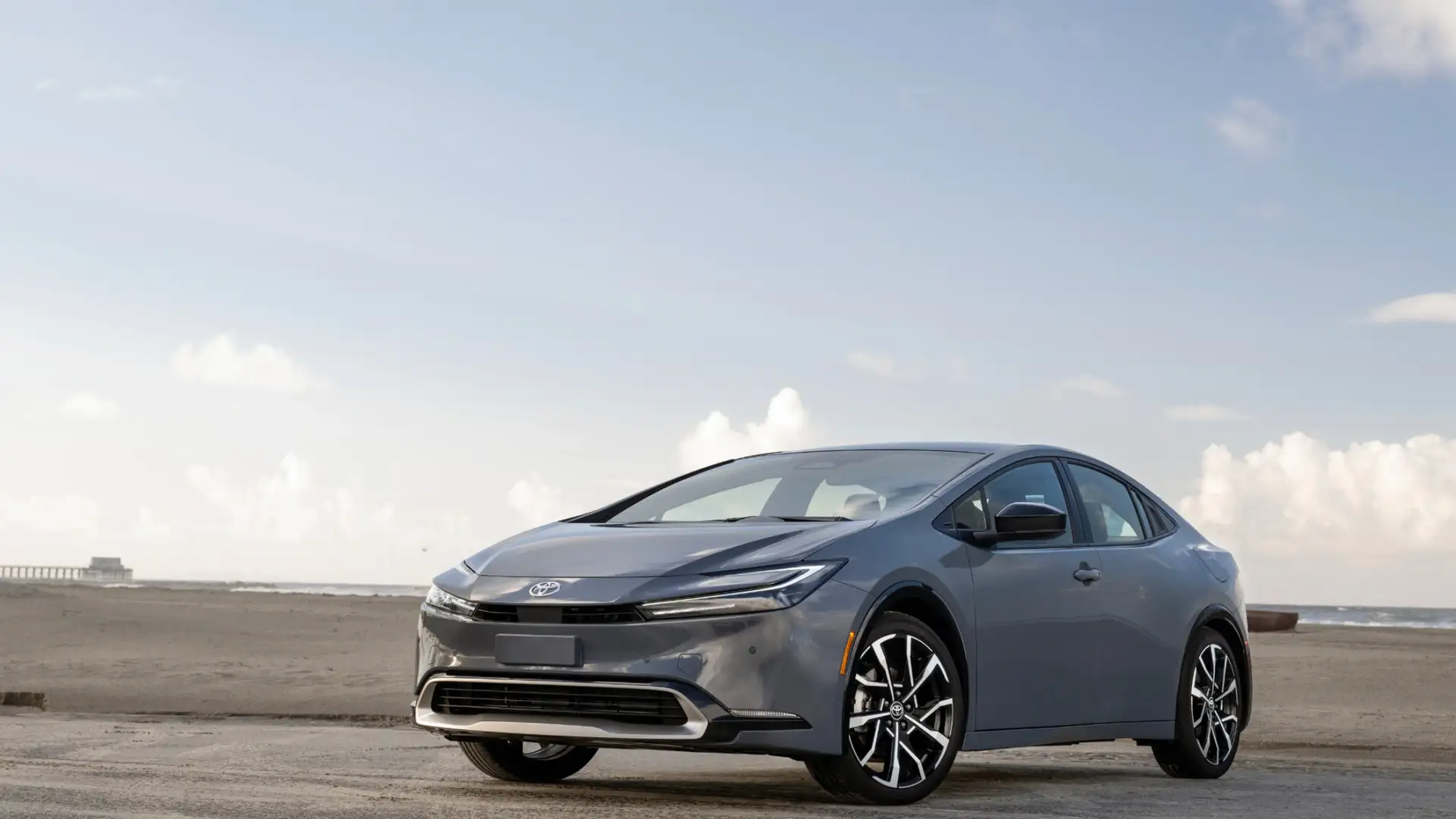
The 2026 Toyota Prius Plug-in Hybrid and Kia Niro PHEV approach electrified driving from distinctly different directions. The 2026 Toyota Prius Plug-in Hybrid presents a low, flowing profile that brings visual energy to the weekday commute, while the Kia Niro PHEV favors an upright shape with greater emphasis on passenger and cargo flexibility. Both models let owners complete shorter trips using electric power before a gasoline engine supports longer journeys. That flexibility suits Hagerstown drivers who want quieter local travel without planning every weekend around charging stops. Choosing between them ultimately comes down to personal priorities involving sleek style, responsive road manners, and the additional space created by a crossover-inspired body.
Two Shapes Create Different Experiences
Exterior design influences far more than curb appeal once a vehicle becomes part of a daily routine. It affects the view from the driver’s seat, the ease of entering the cabin, and the way groceries or travel bags fit behind the rear seats. The 2026 Toyota Prius Plug-in Hybrid looks like the more dramatic choice before anyone opens a door, with a roofline that sweeps toward the rear hatch and a stance that appears planted close to the pavement. The Kia Niro PHEV takes a taller, more practical approach that communicates utility from nearly every angle. Neither philosophy is inherently better, but each expresses a different idea of how an efficient plug-in hybrid should fit into everyday life.
2026 Toyota Prius Plug-in Hybrid Style Adds Energy To Errands
The 2026 Toyota Prius Plug-in Hybrid brings a sense of occasion to ordinary drives around Hagerstown. Its smooth body, slim lighting elements, and low visual center make the car appear ready to move even while parked. That personality can make the morning commute feel less routine, particularly for drivers who have resisted efficient cars because they once looked overly cautious. A wide rear hatch preserves everyday usefulness without disrupting the streamlined silhouette. The result suits someone who wants modern style and plug-in capability to share the same driveway.
The design also shapes the experience from behind the wheel. The seating position feels closer to that of a sporty passenger car than a compact crossover, creating a stronger connection with the road. A low center of gravity supports composed movement through curves and helps the 2026 Toyota Prius Plug-in Hybrid feel settled during quick direction changes. That sense of control becomes noticeable on winding roads outside the city, where smooth responses matter more than dramatic speed. Drivers moving from a traditional sedan should find the 2026 Toyota Prius Plug-in Hybrid familiar in size yet refreshingly distinctive in character.
Kia Niro PHEV Space Starts With Its Shape
The Kia Niro PHEV makes its priorities clear through its taller roof and more upright rear section. Those proportions create a cabin that can feel easier to enter, especially for passengers who prefer a less crouched seating position. The shape also places fewer styling constraints around the rear cargo area, which matters when a stroller, pet carrier, or stack of shopping bags becomes part of the plan. Generous door openings can simplify loading children into safety seats and give adults a more natural path into the second row. In everyday use, these small conveniences can matter more than a dramatic exterior profile.
That practical body shape gives the Kia Niro PHEV an advantage for owners who regularly carry people and possessions together. Rear passengers benefit from an airier impression because the roof does not taper as aggressively toward the hatch. Taller cargo can also be easier to accommodate when the load floor and roof maintain a more vertical relationship. The Kia Niro PHEV therefore behaves like a compact family tool supported by a flexible plug-in hybrid powertrain. Its styling remains contemporary, but its strongest visual message is readiness for a busy schedule.
Daily Miles Reveal Distinct Personalities
Plug-in hybrid ownership feels most natural when charging becomes an ordinary part of the home routine. An owner can connect the vehicle after arriving home, begin the next morning with useful electric driving capability, and still rely on gasoline for an unexpected trip. Around Hagerstown, that pattern could support school drop-offs, office commutes, shopping stops, and evening activities with less engine use. Both vehicles make that lifestyle possible, yet they deliver noticeably different sensations on the road. The 2026 Toyota Prius Plug-in Hybrid emphasizes response and composure, while the Kia Niro PHEV places greater value on calm, accessible progress.
2026 Toyota Prius Plug-in Hybrid Performance Feels Light And Immediate
The Toyota’s electrified powertrain suits drivers who want efficiency without giving up satisfying acceleration. Electric assistance delivers power promptly when the accelerator is pressed, helping the 2026 Toyota Prius Plug-in Hybrid move confidently into traffic or away from a stoplight. The response feels smooth because the gasoline engine and electric motor work together without demanding constant attention from the driver. That easy coordination makes the car approachable during a relaxed commute and capable when a short opening appears on a busy road. Technical complexity stays in the background while the driver experiences clean, predictable movement.
Its road manners reinforce that lively impression. The lower seating position and balanced chassis help the 2026 Toyota Prius Plug-in Hybrid feel secure through entrance ramps and broad country-road curves. Steering inputs produce a direct response without making routine driving feel nervous or demanding. Regenerative braking recovers energy as the vehicle slows, and the resulting sensation can become intuitive after a brief adjustment period. For an owner who enjoys driving, the 2026 Toyota Prius Plug-in Hybrid adds personality to the practical advantages of plugging in.
Kia Niro PHEV Comfort Supports A Calmer Pace
The Kia Niro PHEV feels designed for drivers who want easy visibility and an unhurried rhythm. Its raised seating position can provide a clearer view of surrounding vehicles, parking spaces, and crowded pickup lanes. That perspective reduces some of the strain associated with navigating busy commercial areas or tight residential streets. The vehicle’s responses favor smooth progress, making it easy to settle into a quiet electric commute. Instead of encouraging a sporty mood, the Kia Niro PHEV creates a comfortable setting for conversation, podcasts, and family routines.
Its crossover-like character also makes transitions between activities feel simple. A driver can move from an office parking lot to a grocery run without changing expectations or adapting to a specialized driving style. Controls remain within easy reach, while the upright cabin supports a relaxed posture during longer stretches behind the wheel. The gasoline engine extends the journey after the available electric charge has been used, removing the pressure to find a charger during a spontaneous detour. That combination rewards owners who see their vehicle primarily as a dependable partner for a full calendar.
Cabin Choices Shape Busy Weekends
A vehicle that feels ideal during a solo commute can reveal different strengths once passengers and luggage arrive. Weekend plans around Western Maryland may involve hiking gear, overnight bags, sports equipment, or a large grocery order collected on the way home. Both models use rear hatches and folding second-row seatbacks to accommodate changing needs. The difference comes from how their body shapes distribute the available room. The Prius uses space efficiently within a sleek form, while the Kia Niro PHEV provides the greater sense of openness expected from a taller vehicle.
2026 Toyota Prius Plug-in Hybrid Practicality Hides Beneath Sleek Lines
The 2026 Toyota Prius Plug-in Hybrid proves that visual drama does not eliminate daily usefulness. Its hatchback opening provides easier access than a conventional sedan trunk, allowing bags and smaller outdoor items to slide into the cargo area with less effort. Split-folding rear seats make it possible to carry longer objects while preserving a place for a rear passenger. That flexibility works well for couples, commuters, and smaller households whose cargo needs change occasionally rather than every day. The 2026 Toyota Prius Plug-in Hybrid feels most accommodating when owners pack thoughtfully and use the extended floor created by folding the seats.
Inside, the cabin presents technology in a clean and contemporary manner. Smartphone connectivity and available comfort features can support a connected morning routine without surrounding the driver with unnecessary visual clutter. The sweeping windshield and focused driving position reinforce the exterior’s futuristic character. Rear passengers may notice the descending roofline more than front occupants, particularly if they are tall or remain aboard for an extended trip. Buyers should sit in every seating position during a dealership visit because the design that looks exciting outside also shapes the experience inside.
Kia Niro PHEV Flexibility Welcomes Larger Loads
The Kia Niro PHEV gains practical value from its squarer cargo area and taller cabin. Bags can be stacked with fewer compromises, and bulky objects are less likely to meet a sharply descending roof. Families who regularly transport sports equipment, school projects, or supplies for a weekend gathering may appreciate that extra breathing room. The rear area can also feel easier to organize because its shape makes the usable boundaries immediately clear. That simplicity can reduce the small frustrations that appear when a vehicle is loaded several times each week.
Passenger space follows the same practical theme. Adults in the second row can enjoy a more upright posture, while caregivers may find it easier to reach a child seat through the taller door opening. The cabin’s added sense of height can make shared drives feel less confined, even when every seating position is occupied. Folding the rear seats expands the role of the Kia Niro PHEV from commuter to compact hauler with little preparation. Buyers who consistently prioritize people, pets, and cargo will likely understand the appeal of the Kia Niro PHEV within the first few minutes of sitting inside.
Plug-In Habits Simplify Every Journey
The most important plug-in hybrid benefit may be the freedom to build an easy routine. Home charging can provide quiet electric operation for many local miles, while gasoline remains available for trips beyond the normal commute. Drivers do not need to choose between using electricity around town and leaving Hagerstown without a detailed charging plan. Both the 2026 Toyota Prius Plug-in Hybrid Plug-in Hybrid and Kia Niro PHEV support this flexible approach, although electric range and charging time can vary with trim, temperature, climate-control use, driving style, and road conditions. A realistic evaluation should begin with the owner’s typical daily mileage rather than a single headline figure.
Home Charging Changes The Routine
Charging at home works best when it becomes as automatic as connecting a phone before bed. The vehicle can replenish its battery during hours when it would otherwise remain parked, reducing the need for a special stop the next morning. Short commutes and clustered errands then make the strongest use of electric operation. Cold weather, rapid acceleration, cabin heating, and higher speeds can cause the gasoline engine to assist sooner, so owners should expect results to change with conditions. That variation does not undermine the experience because the hybrid system continues the trip without requiring immediate charging.
This operating pattern can suit homeowners with reliable access to an appropriate outlet or installed charging equipment. Apartment residents and drivers who park on the street should first consider where regular charging will occur. Public charging can supplement the routine, but a plug-in hybrid delivers its clearest lifestyle benefit when charging is convenient and frequent. The 2026 Toyota Prius Plug-in Hybrid may appeal to someone who wants each electric mile wrapped in a more engaging driving experience. The Kia Niro PHEV may better serve someone who wants those miles delivered inside a roomier and more upright package.
Longer Trips Stay Easy To Plan
A weekend departure does not require the same preparation associated with a fully electric vehicle. Once the stored electric energy reaches its operating limit, the hybrid system can continue using gasoline and energy recovered during braking. This makes either model suitable for drivers whose weeks are predictable but whose weekends occasionally extend far beyond Hagerstown. A trip can begin quietly through the neighborhood, continue onto the highway, and end in a smaller town without depending on charger availability. Owners gain meaningful electric driving during daily life while preserving familiar refueling for longer distances.
The two vehicles express that freedom differently on the highway. The 2026 Toyota Prius Plug-in Hybrid feels lower and more closely tied to the pavement, which can make a long drive feel composed and purposeful. The Kia Niro PHEV offers the relaxed posture and useful outward view associated with a small crossover. Wind, road surfaces, passenger count, and luggage will influence efficiency in both models, making an individual test drive especially valuable. Shoppers should bring the people and everyday items that normally travel with them so the comparison reflects actual ownership.
The Right Choice Reflects Daily Priorities
The trade between style and space captures the central difference without reducing either vehicle to a single strength. The 2026 Toyota Prius Plug-in Hybrid offers practical hatchback utility, but its strongest emotional pull comes from expressive design and responsive road manners. The Kia Niro PHEV maintains a contemporary identity, yet its taller proportions provide the easier answer for frequent passenger and cargo demands. Both can make electrified commuting feel approachable because neither requires gasoline to disappear from the owner’s routine. The better choice depends on which advantage will remain meaningful after the novelty of a new vehicle fades.
2026 Toyota Prius Plug-in Hybrid Fits The Style-Conscious Commuter
The 2026 Toyota Prius Plug-in Hybrid makes sense for a driver who often travels alone or with one passenger and wants efficiency to feel visually exciting. Its low stance suits people who enjoy sedan-like control and a closer connection with the road. The hatchback supports grocery runs, luggage, and occasional larger items without making utility the central design theme. Owners who value distinctive styling may continue to enjoy seeing the car in the driveway long after delivery day. For these shoppers, the 2026 Toyota Prius Plug-in Hybrid turns responsible daily travel into something that feels genuinely personal.
It also suits buyers who want a focused plug-in hybrid experience with familiar long-distance flexibility. The combination of electric response and gasoline support encourages regular charging without limiting spontaneous travel. Drivers can appreciate quiet neighborhood departures while still enjoying confident acceleration when traffic begins to move. The cabin’s modern presentation reinforces the idea that efficiency can carry genuine personality. A careful seating and cargo check will confirm if the sleek roofline fits the household’s routine.
Kia Niro PHEV Fits The Space-First Household
The Kia Niro PHEV is likely to connect with buyers who evaluate a vehicle through the practical demands of an ordinary week. Its upright cabin can simplify passenger access, child-seat use, and the loading of taller cargo. A household with growing children, an active dog, or equipment-heavy hobbies may use that extra flexibility every day. The seating position also appeals to drivers who prefer a broader outward view and easier entry. In this case, the vehicle’s value comes from how quietly it removes friction from repeated tasks.
Its calmer character can be equally important during family travel. Passengers gain a cabin that feels open, while the driver retains the flexibility of electric commuting and gasoline-supported distance. The Kia Niro PHEV does not need to feel sporty to create satisfaction because its reward appears in simple moments of access and organization. Buyers who rarely fill the cargo area may find the 2026 Toyota Prius Plug-in Hybrid more compelling, but frequent loaders could appreciate the shape of the Kia Niro PHEV immediately. A thoughtful comparison should therefore focus on typical Tuesdays as carefully as occasional vacations.
Drivers comparing the 2026 Toyota Prius Plug-in Hybrid and Kia Niro PHEV can visit Younger Toyota in Hagerstown, MD, to experience the Toyota’s design, seating position, cargo access, and road manners in person. Our team can help shoppers connect the 2026 Toyota Prius Plug-in Hybrid with their commuting distance, charging setup, passenger needs, and weekend plans. Visitors are encouraged to bring familiar bags or gear so the hatchback can be evaluated through an authentic daily routine. Schedule a test drive to feel how smoothly electric assistance and hybrid flexibility work together on local roads. Our dealership welcomes the opportunity to help each driver decide if the 2026 Toyota Prius Plug-in Hybrid offers the right balance of style, usefulness, and plug-in convenience.
Check Out Other Younger Toyota Models
0 comment(s) so far on 2026 Toyota Prius Plug-in Hybrid and Kia Niro PHEV Trade Style for Space in Hagerstown, MD