

2026 Toyota Highlander in Hagerstown, MD
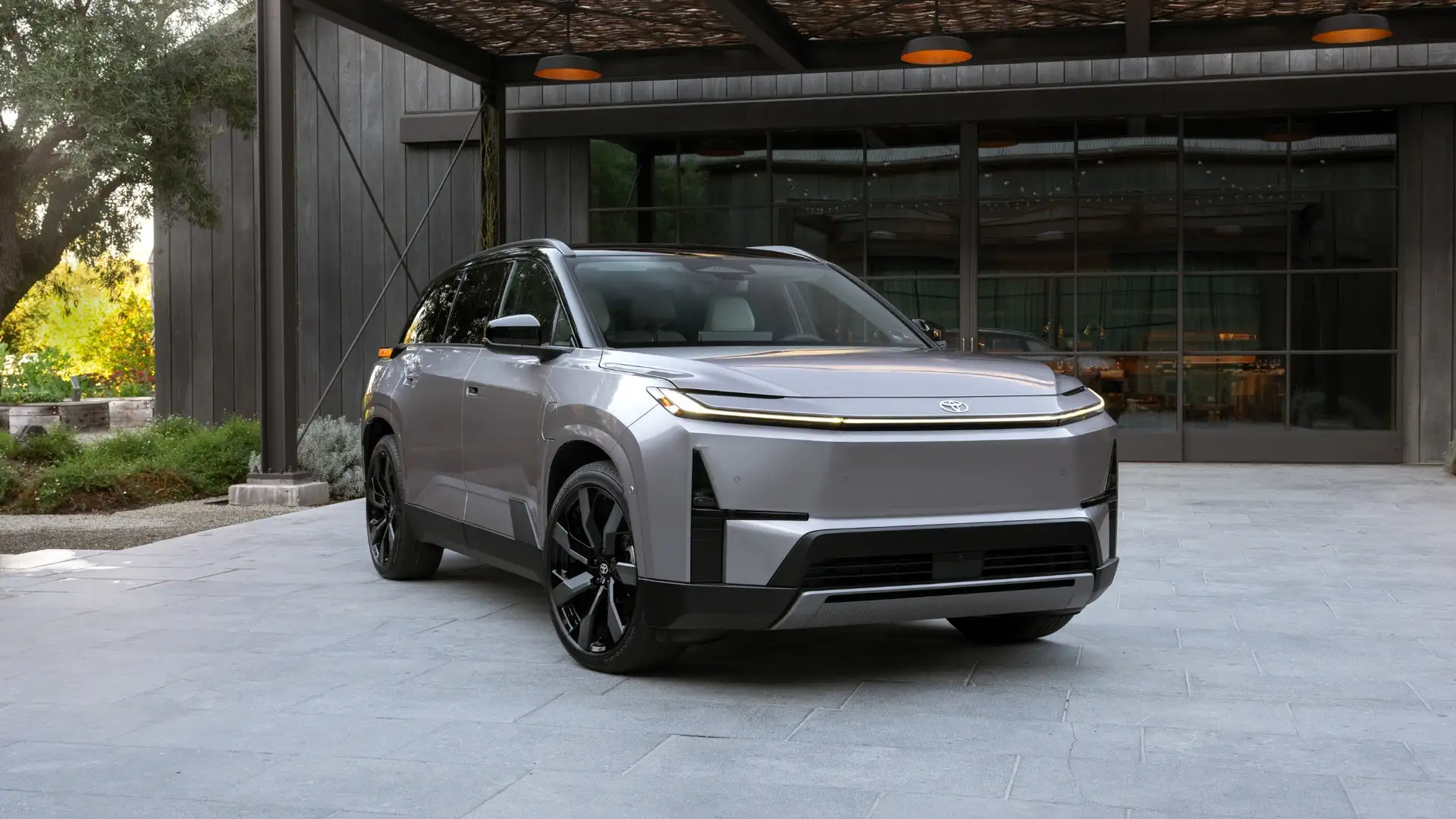
The 2026 Toyota Highlander is designed as a midsize SUV with a focus on mechanical efficiency, structured interior space, and integrated technology systems. It combines a turbocharged four-cylinder engine, an electronically controlled automatic transmission, and multiple all-wheel-drive configurations to support consistent performance across varying conditions. The vehicle is classified as a midsize SUV and is built with a unibody structure that supports both passenger comfort and load-bearing capability. Its engineering emphasizes measurable outputs such as horsepower, torque delivery, fuel efficiency, and structural dimensions, ensuring that each system operates within defined technical parameters.
Multimedia Systems and Connectivity Features
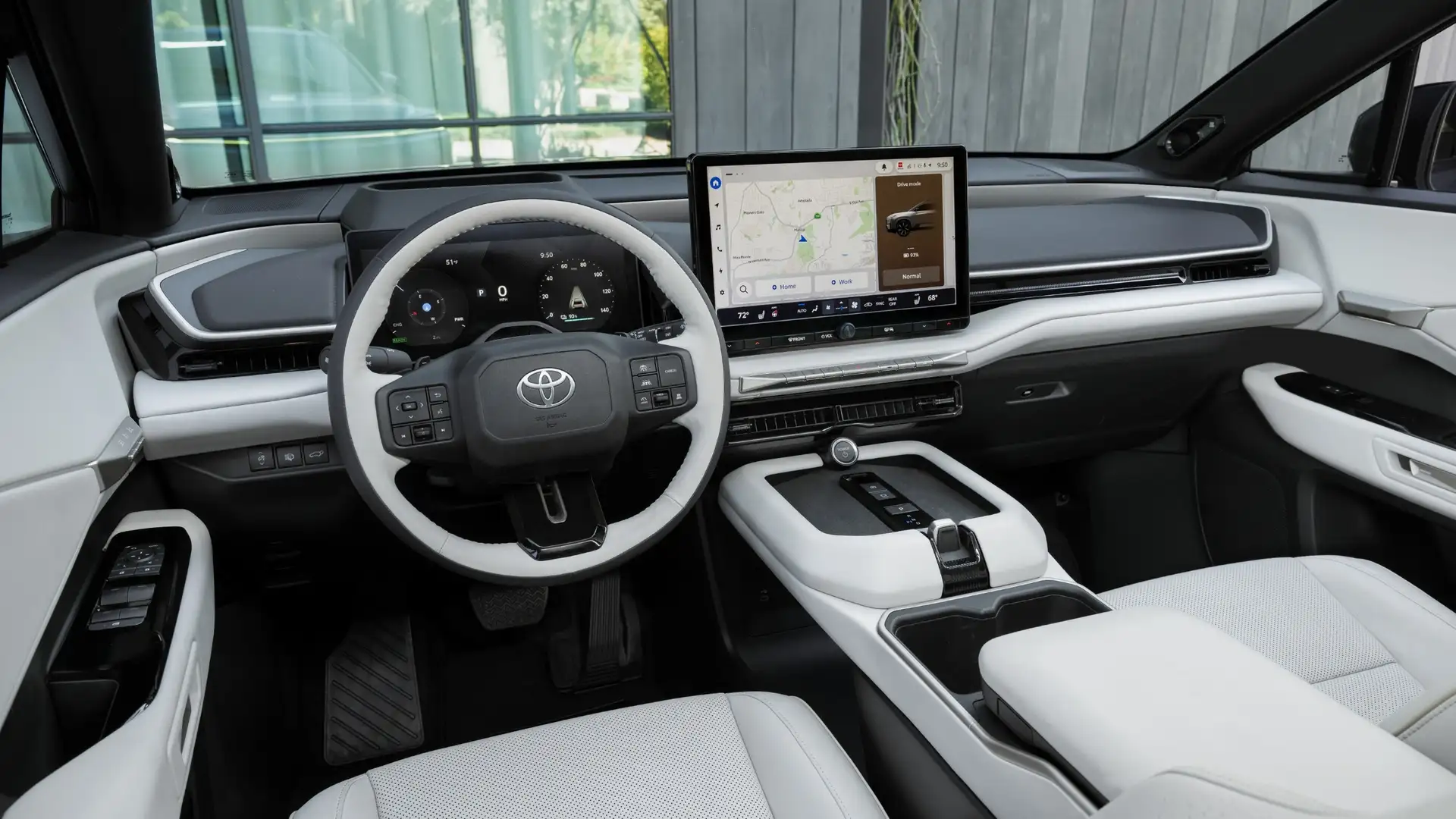
The 2026 Toyota Highlander integrates a range of multimedia systems designed for connectivity and information display. Standard configurations include an 8.0-inch touchscreen interface with wireless Apple CarPlay® and Android Auto™ compatibility. Higher trims include a 12.3-inch touchscreen with expanded functionality and improved display resolution.
Audio systems vary by trim, with a standard six-speaker system and an available 11-speaker JBL® premium audio system that includes a subwoofer and amplifier. The vehicle also includes Bluetooth® connectivity for hands-free communication and audio streaming.
A 7-inch Multi-Information Display is standard on lower trims, while higher trims feature a 12.3-inch digital gauge cluster that displays driving data, fuel economy, and system status. A 10-inch Head-Up Display is available on the Platinum trim, projecting key information onto the windshield.
The vehicle includes five USB ports, consisting of one USB-A media port and four USB-C charging ports, along with two 12-volt outlets. A Qi-compatible wireless charging pad is included across all trims.
Interior Dimensions and Passenger Space Configuration
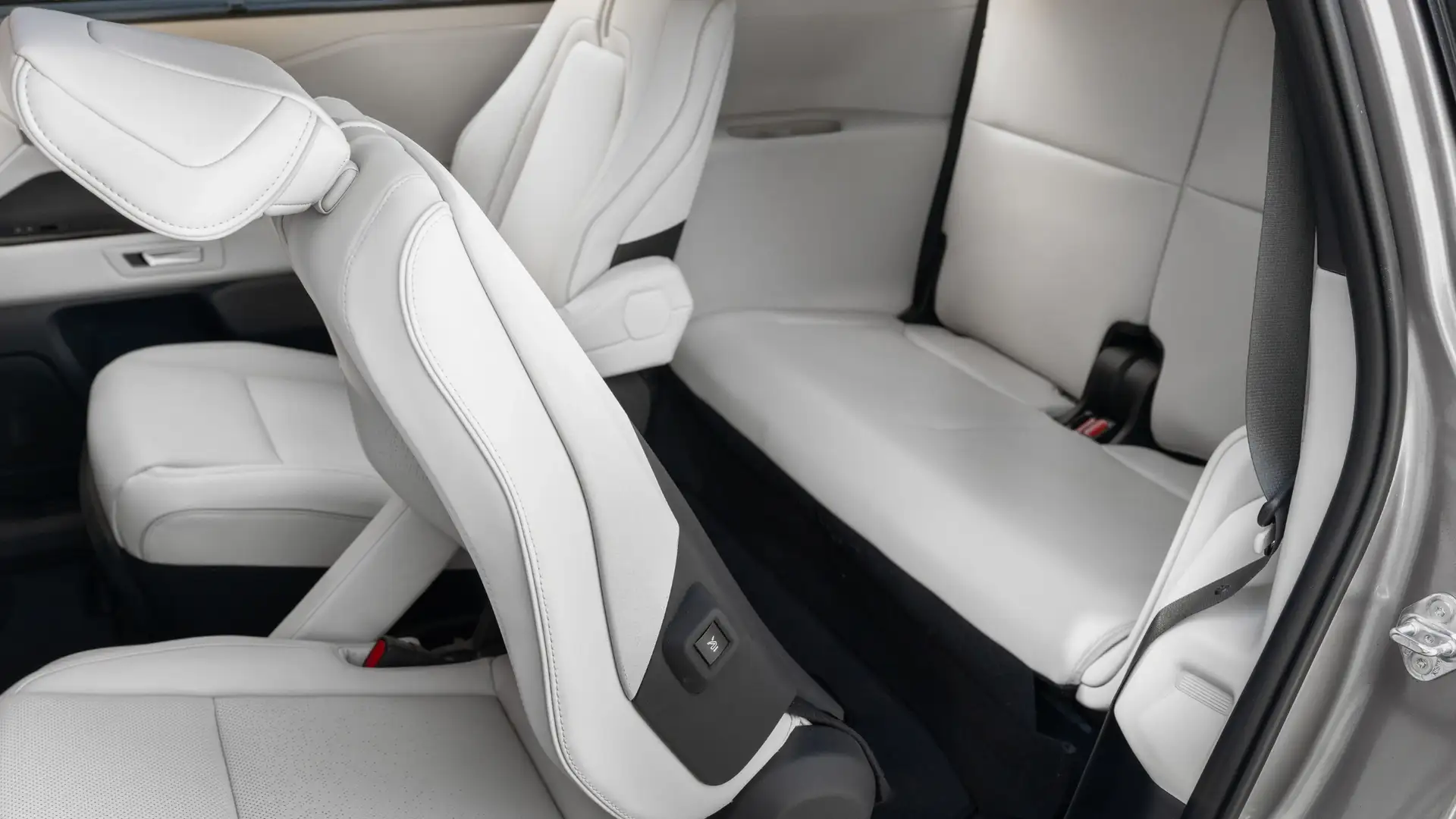
The interior of the 2026 Toyota Highlander is configured to accommodate either seven or eight passengers, depending on seating configuration. The XLE and Limited trims offer optional eight-passenger seating with a second-row bench, while other configurations include second-row captain’s chairs.
Headroom in the front row measures 41.2 inches without a moonroof, 39.6 inches with a standard moonroof, and 38.4 inches with a panoramic roof. Second-row headroom is 39.4 inches without or with a moonroof and 37.1 inches with a panoramic roof. Third-row headroom measures 36.1 inches across all configurations.
Legroom is distributed as 42.0 inches in the front row, 38.7 inches in the second row, and 28.0 inches in the third row. Shoulder room measures 59.0 inches in the front row, 58.7 inches in the second row, and 55.0 inches in the third row. Hip room is measured at 57.2 inches in the front row, 57.0 inches in the second row, and 45.6 inches in the third row.
Cargo volume is calculated at 84.3 cubic feet behind the front row, 48.4 cubic feet behind the second row, and 16 cubic feet behind the third row. Passenger volume ranges from 141.8 cubic feet without a moonroof to 136.3 cubic feet with a panoramic roof.
Turbocharged Engine Architecture and Output Characteristics
The 2026 Toyota Highlander is equipped with a 2.4-liter turbocharged four-cylinder engine featuring a Double Overhead Cam design and a 16-valve configuration. The engine uses a D-4S fuel injection system, which combines direct and port injection to optimize combustion efficiency. It is also Atkinson-cycle capable, allowing the engine to adjust valve timing to improve fuel economy under certain operating conditions.
This powertrain produces 265 horsepower at 6,000 revolutions per minute and delivers 310 pound-feet of torque across a range of 1,700 to 3,600 revolutions per minute. The torque range supports consistent acceleration without requiring high engine speeds. The engine displacement measures 2,393 cubic centimeters, with a bore and stroke of 87.5 millimeters by 99.5 millimeters. The compression ratio is set at 11.0 to 1, contributing to efficient combustion and controlled power output.
The ignition system uses Toyota Direct Ignition technology, while the fuel system is calibrated for 87-octane or higher gasoline. The vehicle meets SULEV 30 emissions standards, indicating reduced exhaust emissions compared to conventional gasoline engines. Fuel economy for all-wheel-drive models is manufacturer-estimated at 21 miles per gallon in the city, 28 miles per gallon on the highway, and 24 miles per gallon combined.
Disclaimer: * EPA-estimated 21 city/28 highway/24 combined mpg rating for 2026 Highlander XLE, XSE, Limited, and Platinum; EPA-estimated 35 city/35 highway/35 combined mpg rating for 2026 Highlander Hybrid XLE; EPA-estimated 35 city/34 highway/35 combined mpg rating for 2026 Highlander Hybrid Limited, and Hybrid Platinum. Use for comparison purposes only. Your mileage will vary for many reasons, including your vehicle’s condition and how/where you drive. See www.fueleconomy.gov.
Transmission Engineering and All-Wheel Drive Systems
The 2026 Toyota Highlander uses an 8-speed electronically controlled automatic transmission identified as Direct Shift-8AT. This transmission is designed to manage gear changes efficiently through a wide ratio spread. The first gear ratio is 5.519, supporting initial acceleration, while the eighth gear ratio is 0.673, which reduces engine speed during highway driving to improve fuel efficiency. Intermediate gear ratios are calibrated to maintain smooth transitions and consistent power delivery across different driving speeds.
All-wheel-drive systems vary by trim level. The XLE grade includes standard all-wheel drive, while the XSE, Limited, and Platinum grades feature Dynamic Torque Vectoring All-Wheel Drive. This system distributes torque between the rear wheels to enhance traction during cornering and low-traction conditions. A driveline disconnect feature is included to disengage the rear drivetrain when all-wheel drive is not required, which improves fuel efficiency.
Certain configurations also include Multi-Terrain Select, which allows the driver to adjust traction settings based on surface conditions. This system modifies throttle response and torque distribution to match specific terrain requirements.
Chassis Construction and Handling Systems
The chassis of the 2026 Toyota Highlander is engineered with a front independent MacPherson® strut suspension system that includes a stabilizer bar. The rear suspension uses a multi-link design, also supported by a stabilizer bar, to maintain stability and control during cornering and uneven road conditions. The XSE trim incorporates a sport-tuned version of the front suspension to provide a firmer response.
Steering is managed through an Electric Power Steering system with a power-assisted rack-and-pinion configuration. The steering ratio is 14.2, allowing for controlled directional input. The vehicle has a turning diameter of 37.4 feet and a turning radius of 18.7 feet, supporting maneuverability in confined spaces.
The braking system includes power-assisted ventilated disc brakes at the front and solid disc brakes at the rear. Both front and rear brake rotors measure 13.3 inches in diameter. The system includes an electronic parking brake and standard Anti-lock Braking System functionality, which prevents wheel lockup during emergency braking situations.
Exterior Dimensions and Structural Measurements
The 2026 Toyota Highlander is constructed with a wheelbase of 112.2 inches, which contributes to interior space distribution and ride stability. The overall length is 194.9 inches for most trims, with the XSE extending to 197.4 inches. The width measures 76.0 inches, and the unloaded height without an antenna is 68.1 inches.
The front and rear track widths measure 65.3 inches and 65.4 inches, respectively, providing a stable stance. Ground clearance is set at 8.0 inches, allowing the vehicle to navigate uneven surfaces without compromising underbody components. The approach angle is 18.1 degrees and the departure angle is 23.4 degrees for all-wheel-drive gas models.
Interior Systems and Functional Features
The cabin includes multiple functional systems designed to support convenience and usability. Seating materials vary by trim, including SofTex®-trimmed and leather-trimmed options. Higher trims include heated and ventilated front seats, as well as heated second-row seating in select configurations.
The driver’s seat offers 10-way power adjustment with lumbar support, while the front passenger seat includes 8-way power adjustment. Seat memory functionality is included in higher trims. Interior storage includes a soft-touch roll-top center console with a removable utility tray and a split-level in-dash shelf.
Additional systems include Road Sign Assist, which displays detected traffic signs, and Proactive Driving Assist, which supports controlled braking and steering inputs. Automatic High Beams adjust headlight intensity based on surrounding traffic conditions.
The vehicle includes three-zone automatic climate control with separate temperature settings for the driver, front passenger, and rear passengers. Air distribution is supported through vents in the second and third rows. Additional interior features include ambient lighting, multiple cup holders, power windows with auto up and down functionality, and a power door lock system with shift-linked automatic locking.
Additional safety features include Hill Start Assist Control, a Tire Pressure Monitoring System, and a Star Safety System that integrates traction control, stability control, brake assist, and electronic brake-force distribution. Child safety is supported through LATCH anchor points and rear door child-protector locks.
Safety Systems and Driver Assistance Technologies
The 2026 Toyota Highlander includes Toyota Safety Sense™ 2.5+, which integrates multiple driver assistance systems. These systems include a Pre-Collision System with Pedestrian Detection, Lane Departure Alert with Steering Assist, Lane Tracing Assist, Automatic High Beams, Road Sign Assist, and Full-Speed Range Dynamic Radar Cruise Control.
The Star Safety System is also included, featuring Vehicle Stability Control, Traction Control, Anti-lock Braking System, Electronic Brake-force Distribution, Brake Assist, and Smart Stop Technology. These systems are designed to maintain vehicle control and braking performance under varying conditions.
Additional safety features include a Blind Spot Monitor with Rear Cross-Traffic Alert, an anti-theft system with engine immobilizer, and a Tire Pressure Monitor System that provides individual tire readings. The vehicle is equipped with eight airbags, including front, side, curtain, knee, and seat cushion airbags.
Advanced parking and visibility systems include a backup camera with projected path or dynamic gridlines, depending on trim. Higher trims offer a Panoramic View Monitor with a 360-degree overhead view and curb view functionality. Front and rear parking assist with automatic braking is also available.
Utility Capacity and Load Management
The 2026 Toyota Highlander supports a maximum towing capacity of 5,000 pounds, allowing it to handle trailers and recreational equipment within its rated limits. The vehicle has a fuel tank capacity of 17.9 gallons, supporting extended driving range between refueling stops.
The curb weight varies by trim, ranging from 4,199 pounds for front-wheel-drive XLE models to 4,453 pounds for all-wheel-drive Platinum models. The Gross Vehicle Weight Rating is set at 5,970 pounds across all trims, defining the maximum allowable combined weight of the vehicle, passengers, and cargo.
Schedule a Test Ride at Younger Toyota
Drivers interested in evaluating the technical systems of the 2026 Toyota Highlander can schedule a test drive at Younger Toyota in Hagerstown, MD. This provides an opportunity to assess the turbocharged engine output, transmission response, and all-wheel-drive functionality under controlled conditions. The available safety systems and driver assistance features can be observed directly during operation. Interior configurations, seating adjustments, and multimedia interfaces can also be reviewed during the visit. Contact our dealership to arrange a convenient time and examine the vehicle’s specifications in detail.
Contact Us